AI-native SaaS management platform to reduce waste and boost operational efficiency for SMBs.
At-A-Glance
As the founding designer, I led the AI UX strategy from 0–1, designing natural language experience (NLX) flows that positioned the platform as a trusted partner in complex SaaS management. My focus was on aligning product strategy with user workflows, simplifying decision-making, and embedding automation into high-friction tasks. Post-launch, we acquired 20+ enterprise clients in 8 months, improved operational efficiency by 80%, and reduced SaaS waste by 20% — contributing directly to $900K ARR.

Project type

SaaS management, web app, AI agent

Team

1 CEO, 2 PM, 8 software engineers, 3 designers

Timeline

Feb 2024 - present

Tool

Figma, Adobe Suite, Hotjar, Vercel V0, Jitter

Impact
-20%
SaaS waste
+80%
Operational efficiency
20+
Enterprise client
$900k
ARR
problem space
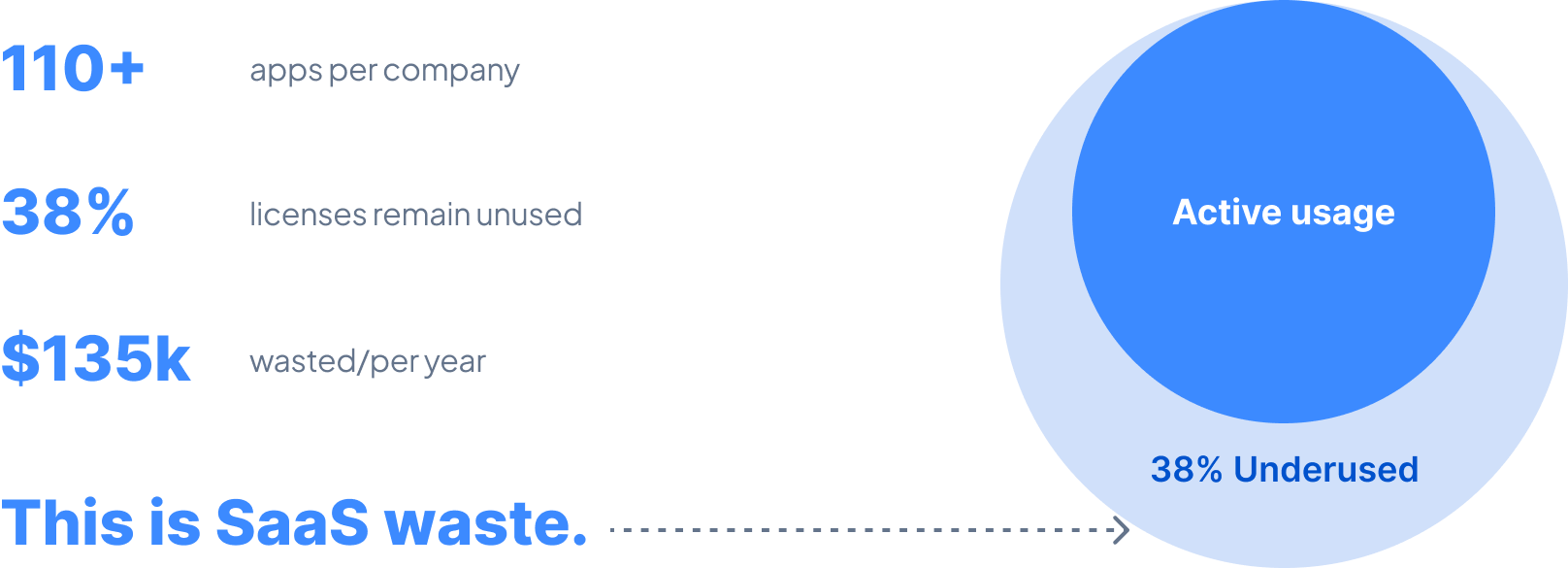
Small medium businesses waste 38% of SaaS spend, leaving license underutilized due to fragmented data and lack of visibility.
Business Goal
We saw this opportunity of build a platform that cut SaaS waste by connecting fragmented data and provide visibility, turning complex manual workflow to automated process.
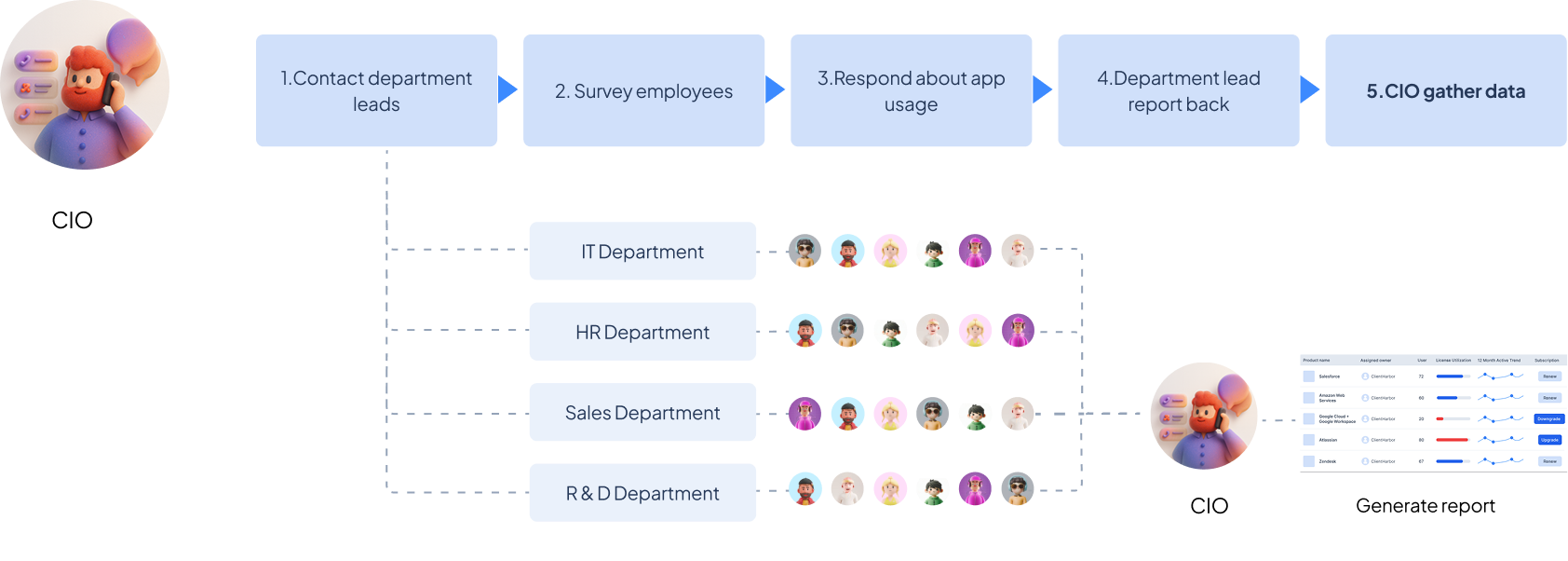
Target customer: SMB CIOs, IT admins, and finance leads managing 50–100+ SaaS tools across departments but still rely on surveys, emails, and spreadsheets.
Competitor Analysis
With these IT service management, why are user still struggling?
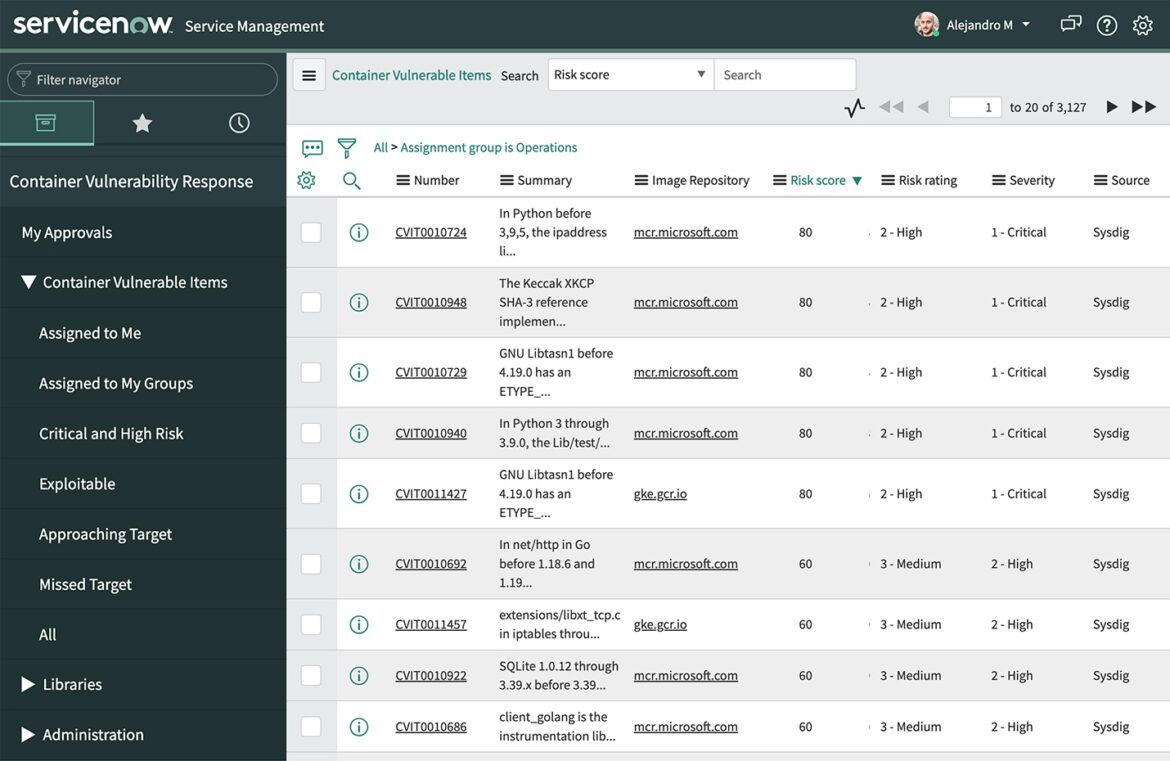
The tradition ITSM tool like ServiceNow or Lumos, they are mostly focused on large enterprise teams and lack AI automation. My goal as a product designer is to design simplified & intuitive SaaS management experience different from traditional ITSM.
  • Technical interfaces that were too complex for non-technical users.
  • Long setup flows that required manual configuration and takes weeks
  • Limited AI interaction, offering little guidance or automation.
dESIGN problem reframe
How might we help CIOs unify fragmented SaaS data and optimize waste without adding manual overhead?
Design solution
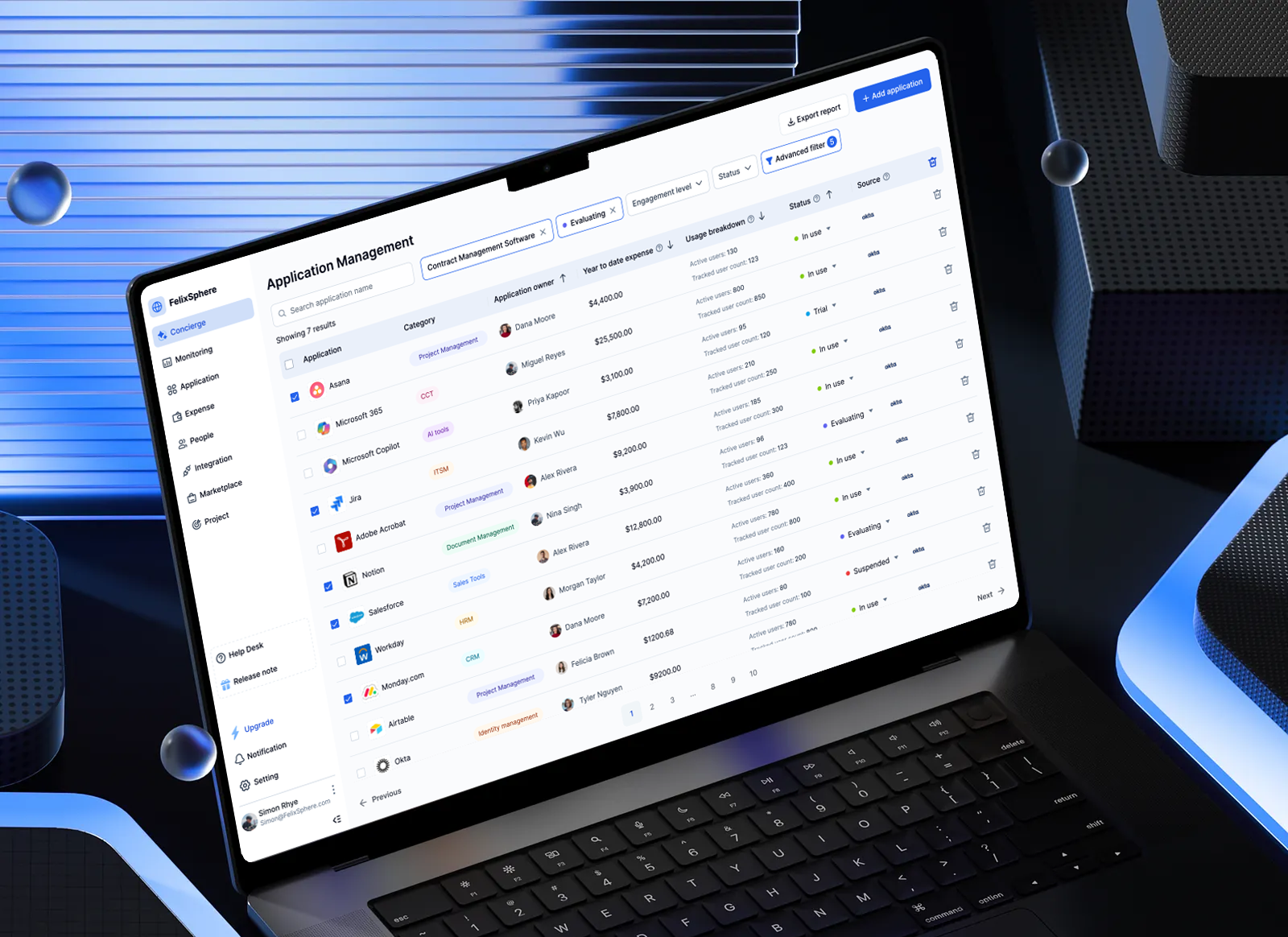
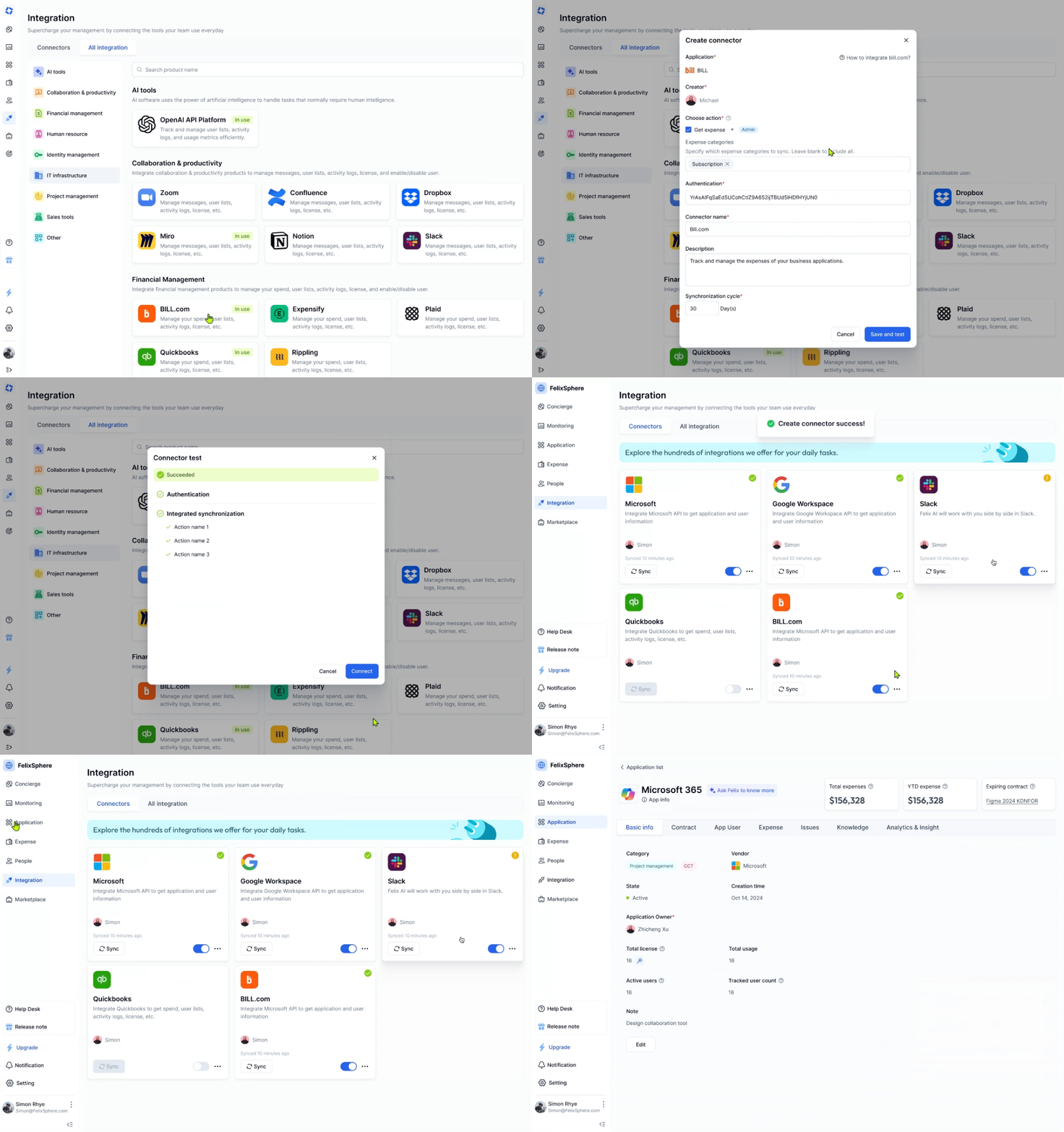
Unified fragmented SaaS data via integrations with identity, billing, and usage platforms.
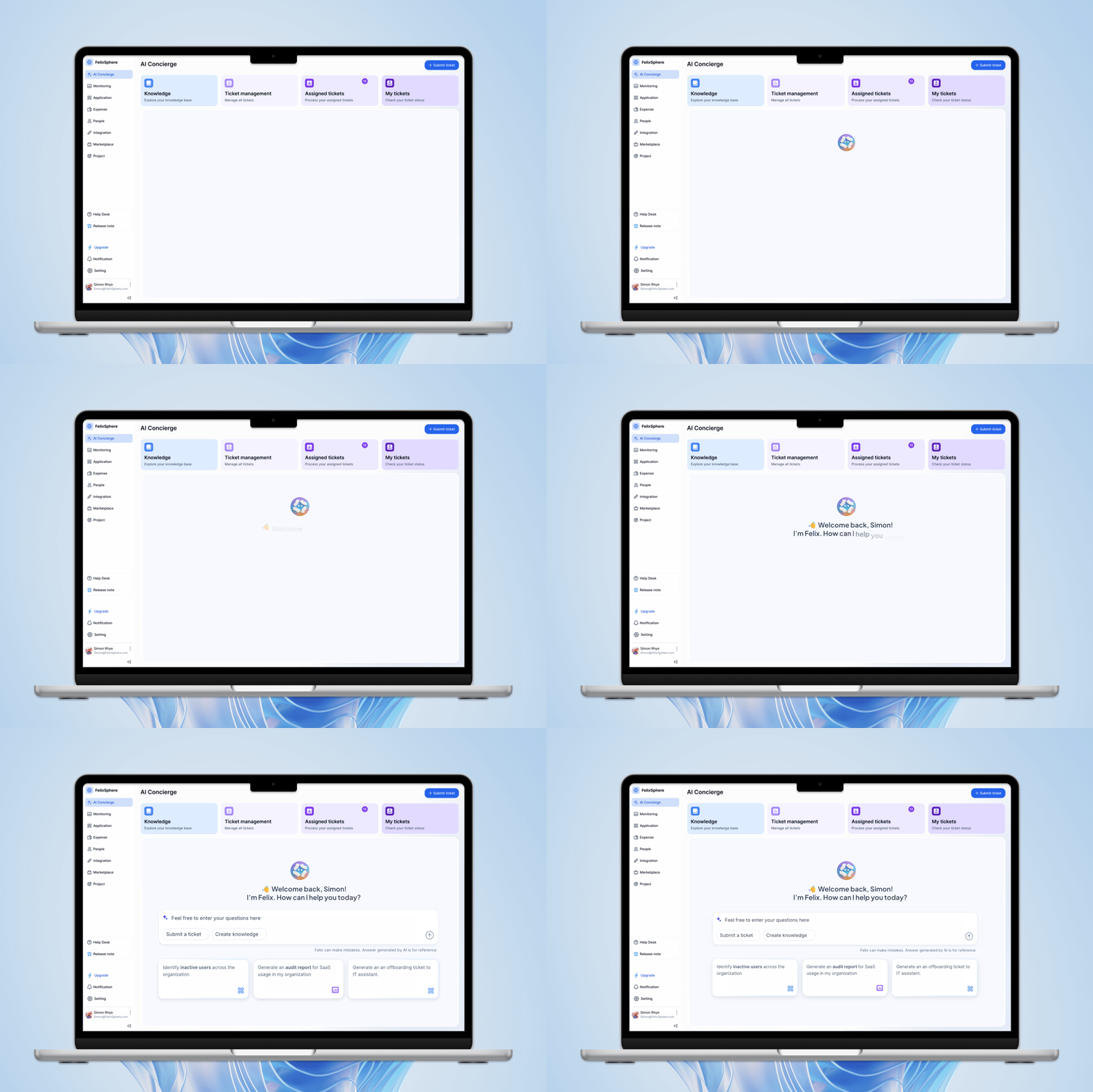
Automated optimization through an AI concierge that flagged underused apps, suggested actions, and generated audit reports.
Design process
Design the complex platform from 0-1 with constraints.
DESIGN EXPLORATION
Designing without users: Initiated brainstorm session with team, assumptions are made based on team expertise.
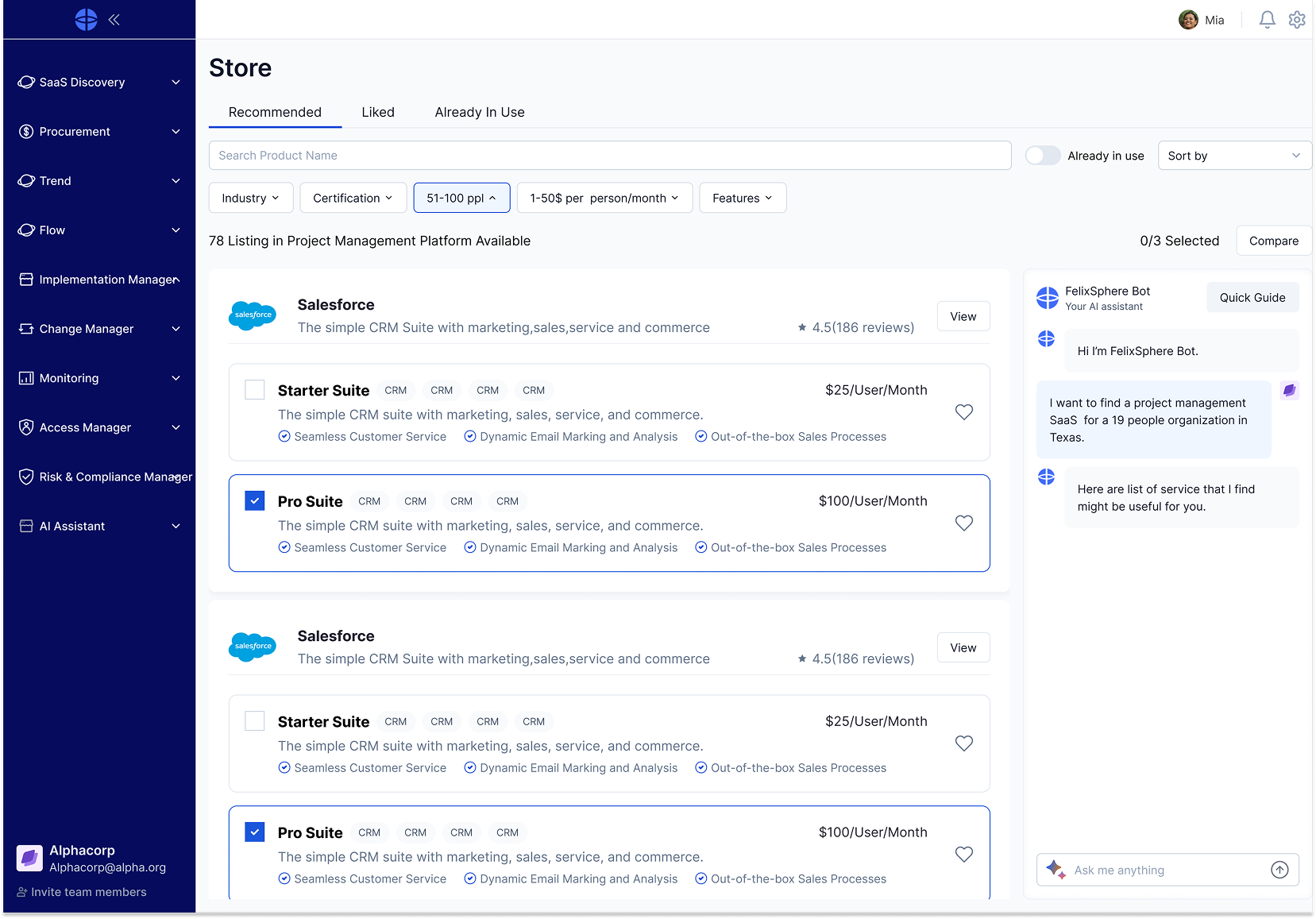
Based on the assumption, I worked with PMs and engineers to ship the initial MVP in 2 months to test product-market fit.. I designed a SaaS discovery flow that helped users compare tools based on company size, price, and features—with Felix acting as a conversational assistant.
Guess what?  
Our assumption was off. But luckily, we had more design partners and users after MVP. This gave me chance to sit down with user and understand their typical workflow and pain points.
  • 25 user interviews with IT admins at 100-1000 person companies
  • Journey mapping sessions with 5 existing clients
  • Cross-functional stakeholder workshops to understand buyer vs. user needs
01
Fragmented data on different platforms
02
Manual processes
03
No real-time visibility
USER JOURNEY MAP
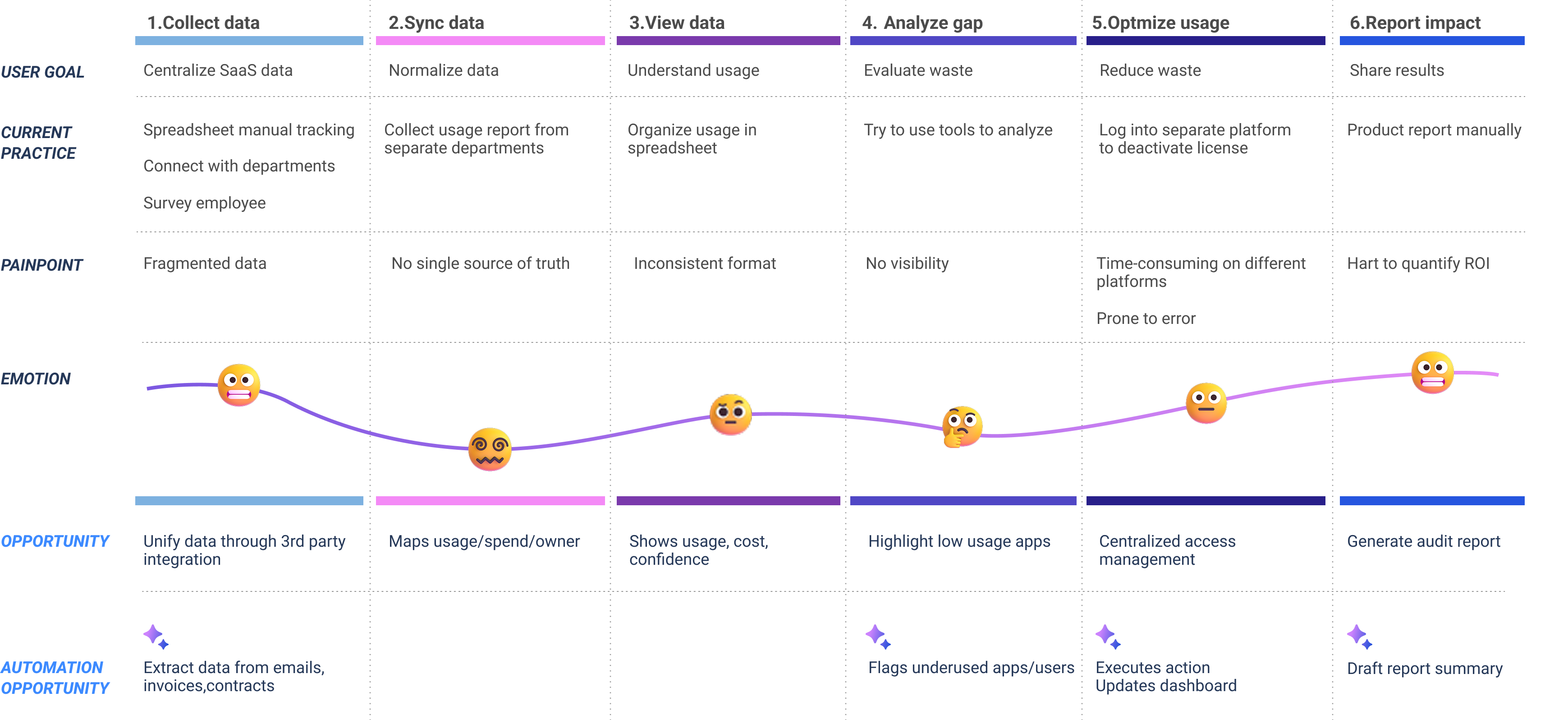
Reimagining the admin journey: From fragmented workflows to unified, seamless, AI-assisted experience for enterprise SaaS management.
Through user interviews and cross-functional stakeholder sessions, I mapped the admin journey across six operational phases—surfacing key friction points in data extraction, gap analysis, and license optimization.
USER FLOW
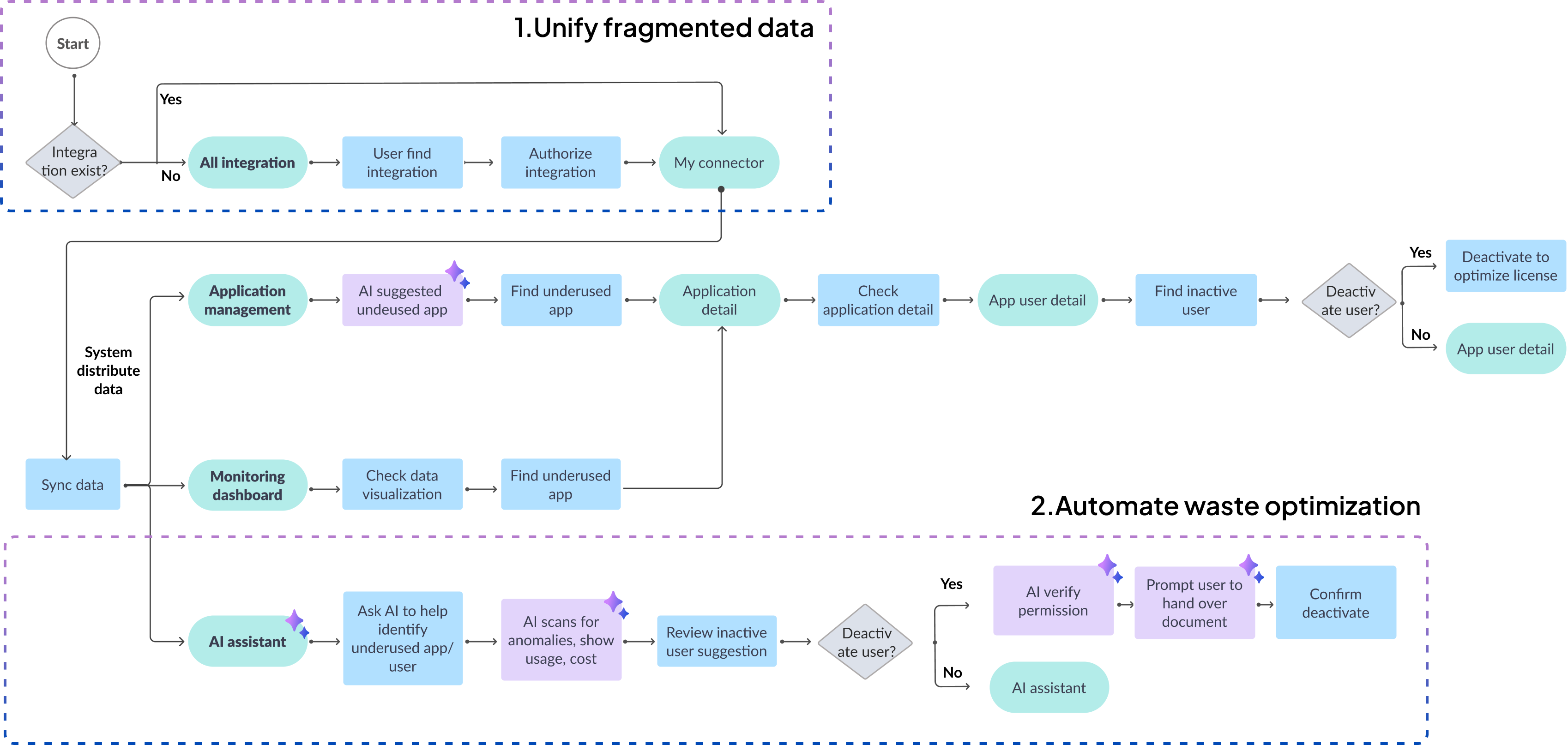
Designed for clarity, trust, and centralized control: Unifying data through multi-product integration and automated workflows
I crafted a modular, scalable user flow that aligns enterprise UX with product strategy—driving internal alignment with PM and CEO on roadmap priorities. This focus enabled seamless integration and a trusted agent experience at the core of the platform.
wireframe exploration
The first step of unify data is through multi-product integration.
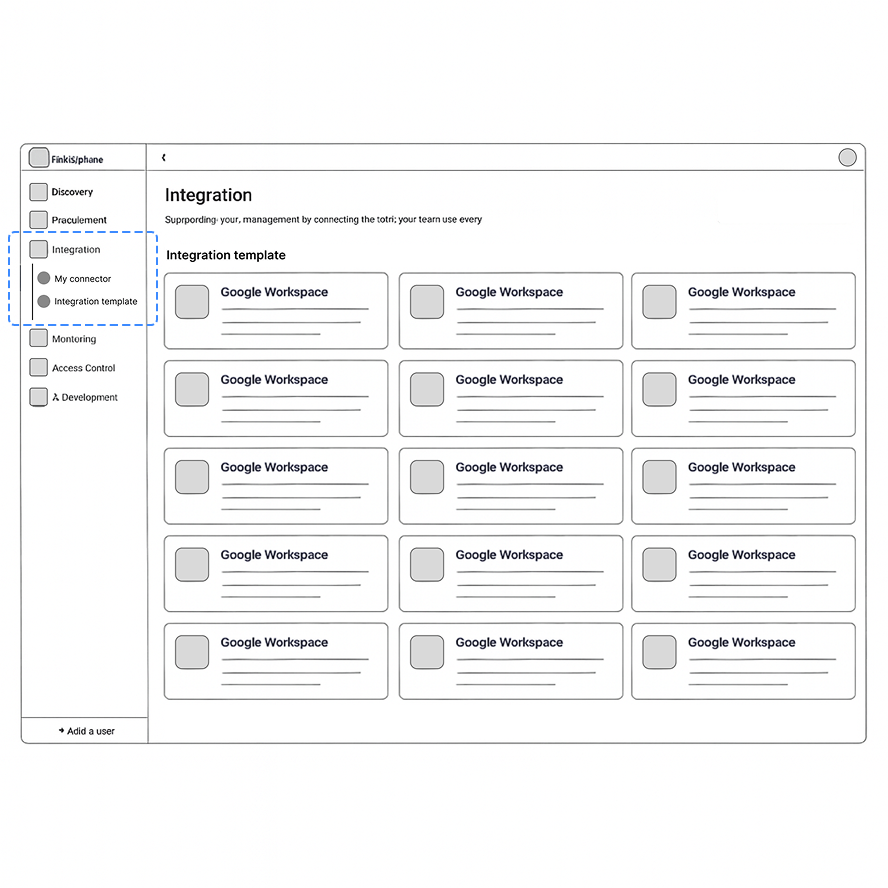
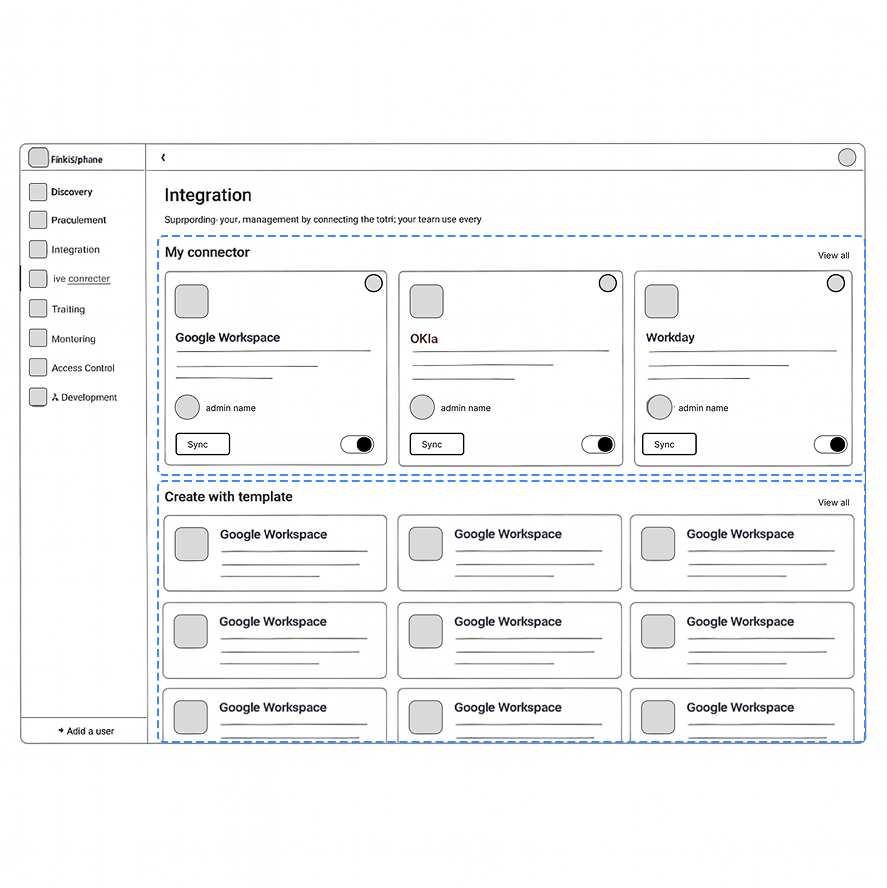
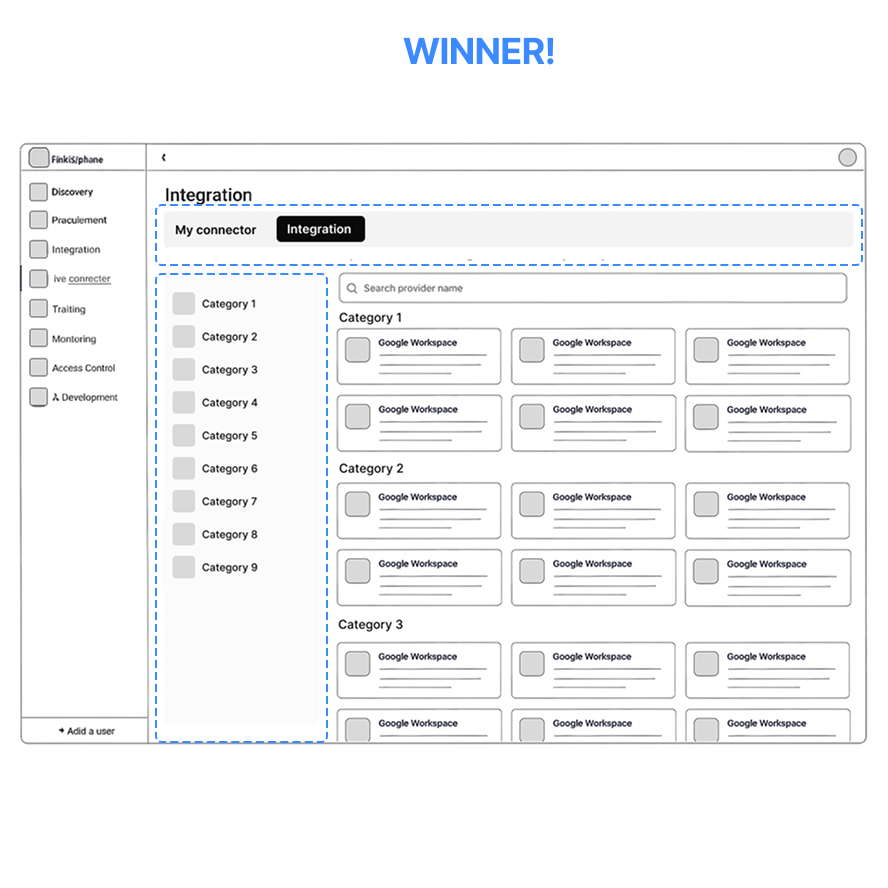
I tested three layouts for integration discoverability and scalability. Category-first tabs won for their alignment with user mental models and clean growth potential.
01
Multi-level sidebar navigation
  • Adds complexity, reduces navigation efficiency.

  • Conflicts with our simplified navigation strategy.

02
Vertical split into two sections
  • Difficult to scale as connectors/integrations grow.

  • Layout becomes cluttered with expansion.

03
Category-first tabbed navigation
  • Most scannable and scalable approach.

  • Aligned with category-first mental model.

Design solution
Unify fragmented data with integration and provide usage insights.
Design challenge 2
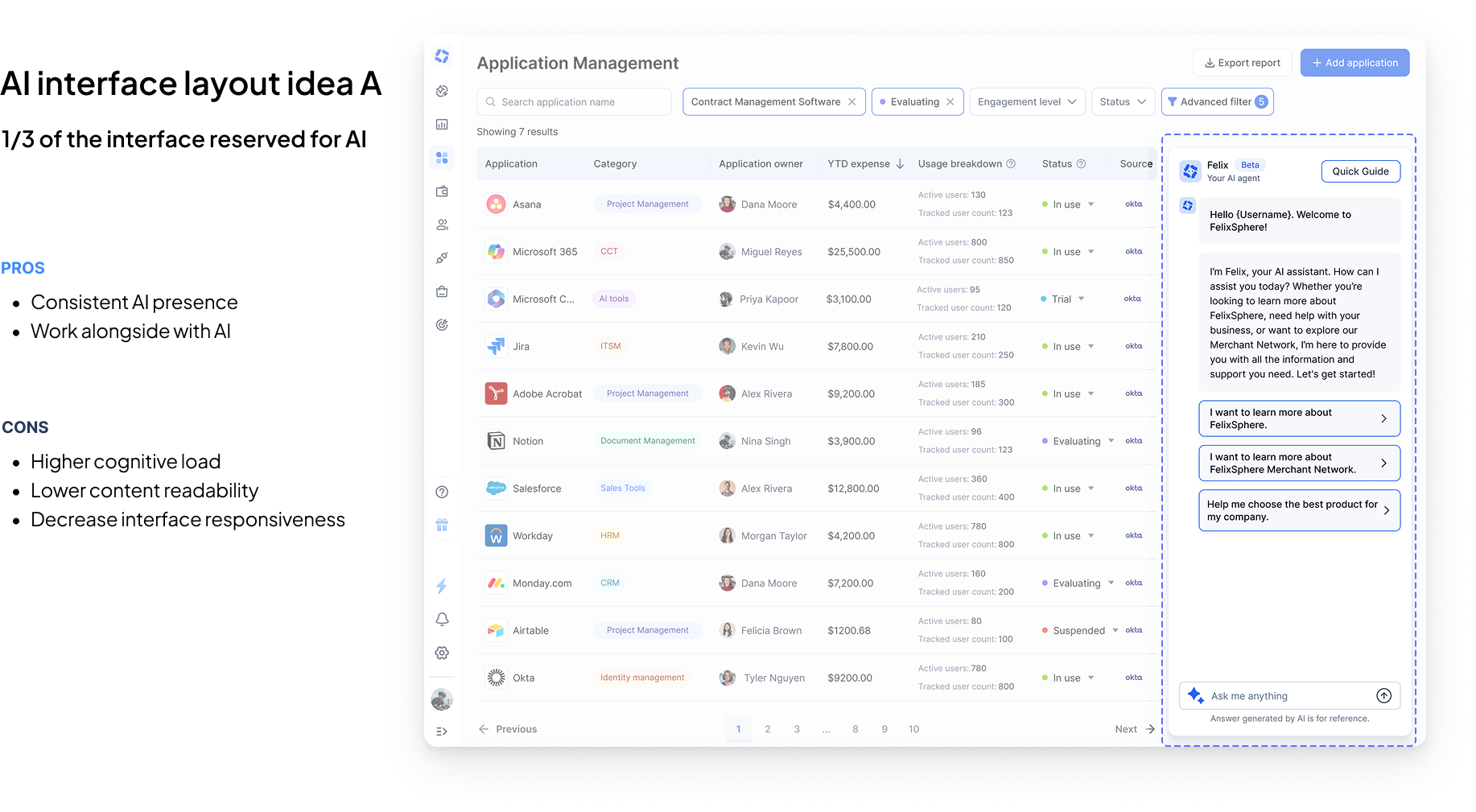
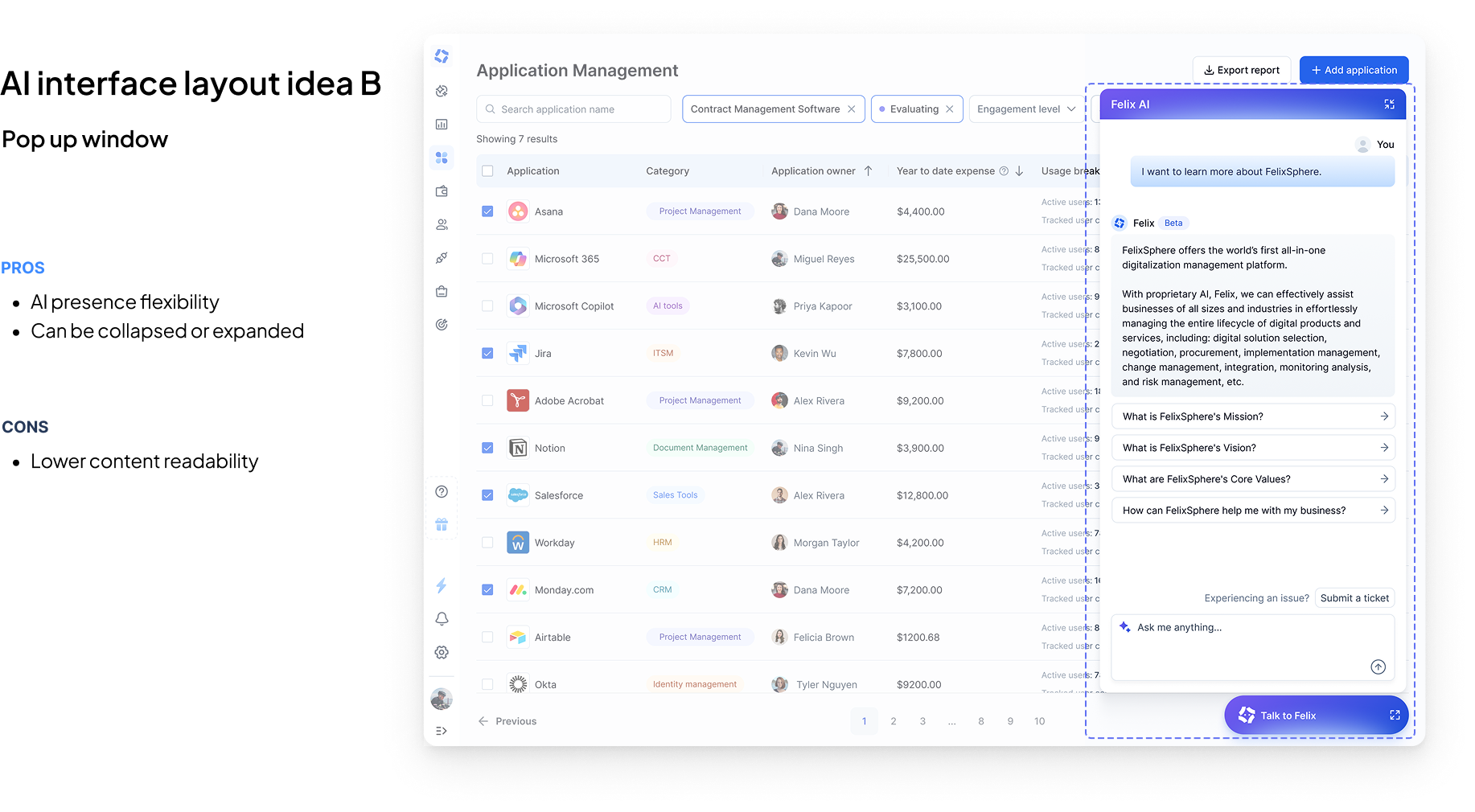
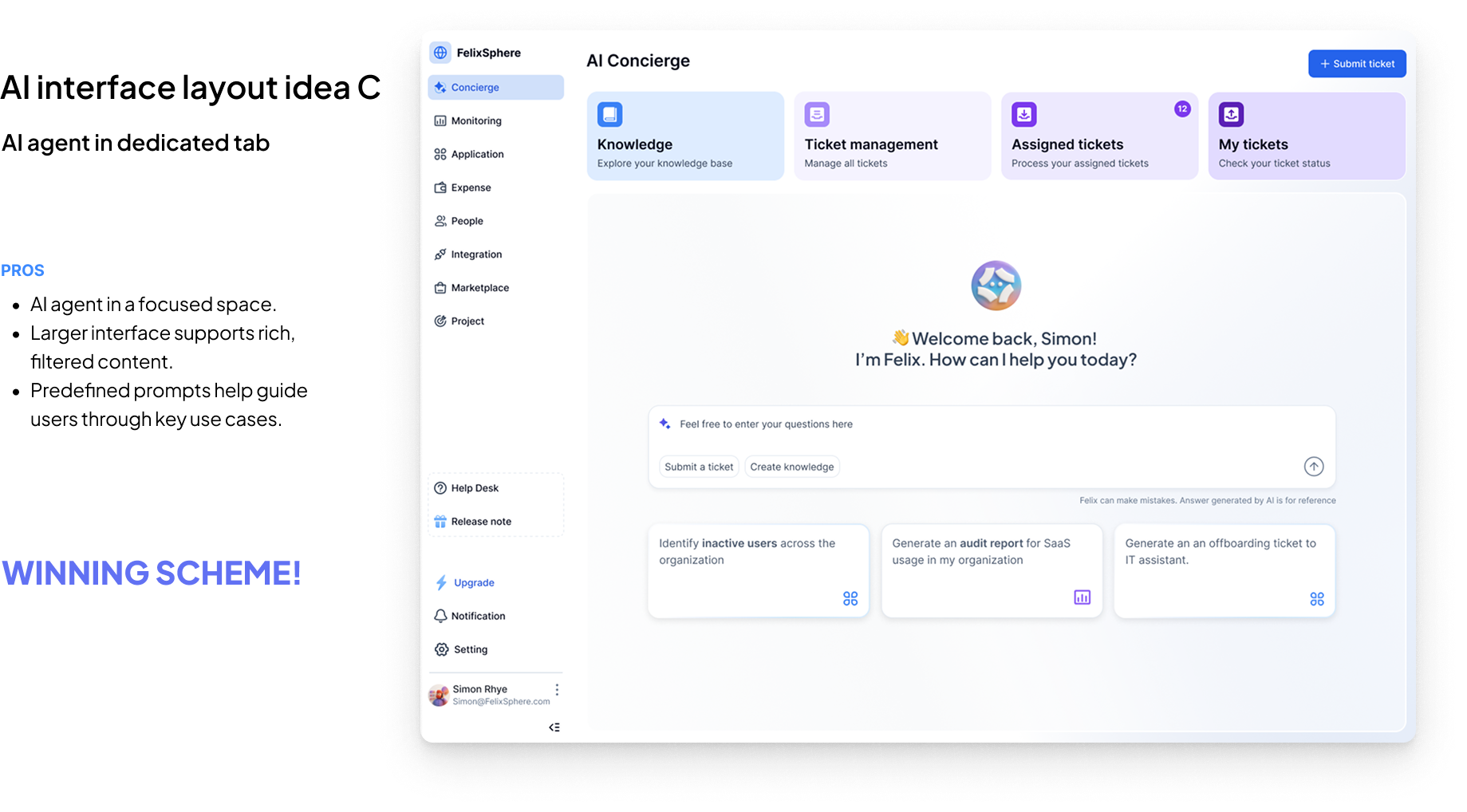
Where should AI live in our product experience?
Automated optimization through an AI concierge that flagged underused apps, suggested actions, and generated audit reports.
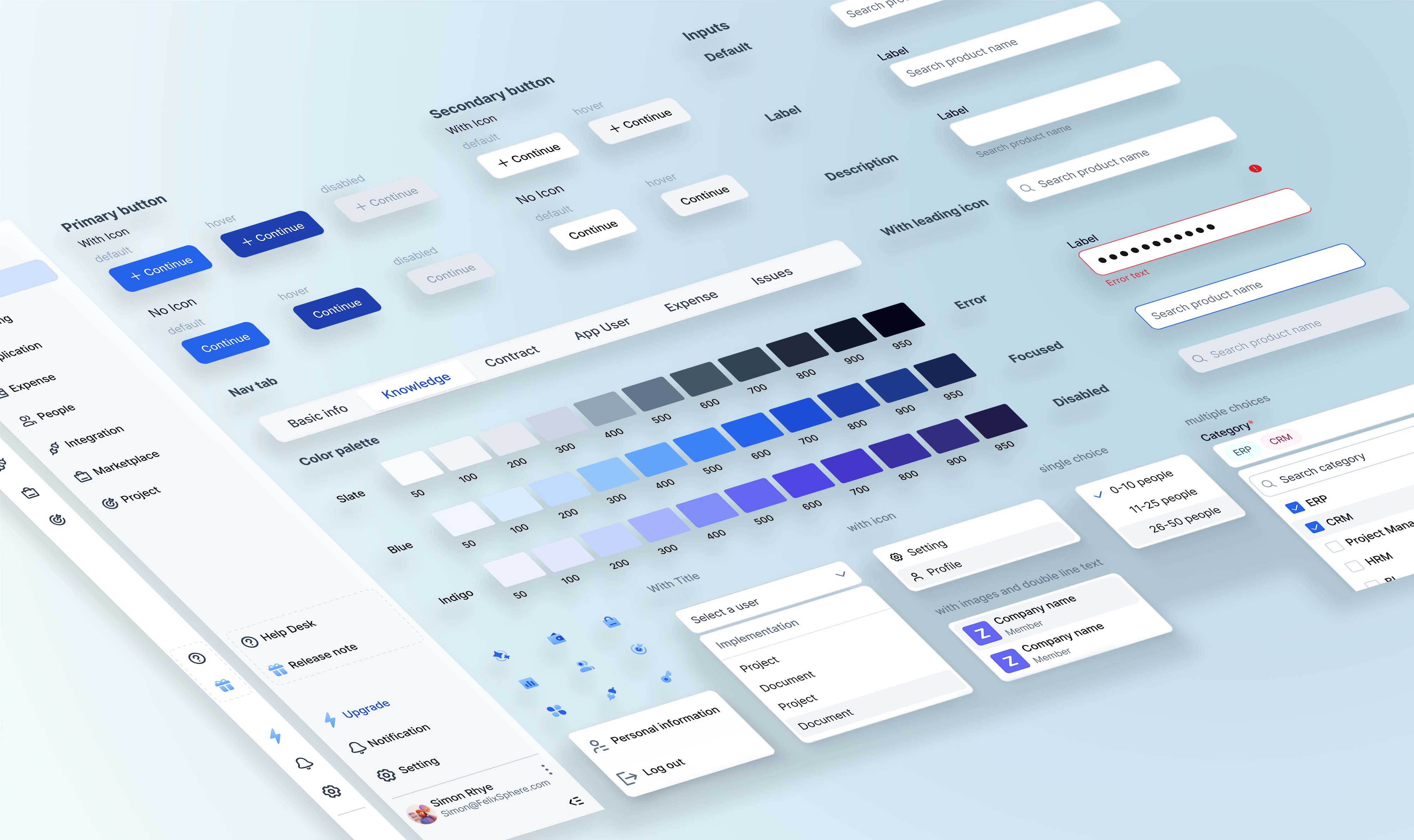
DESIGN SYSTEM
Ensure design consistency across modules and accelerate dev speed.
REFLECTION & NEXT STEP
01
Fully understand complex business workflows and user need.
02
Be mindful of edge cases and fallback loop.
03
Give user enough feedback and build trust.